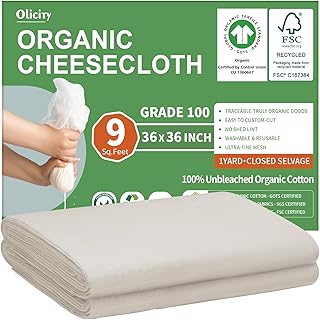
Cheesecloth is one of those humble kitchen tools that often gets overlooked until you need it. But this versatile, gauzy cotton fabric is a powerhouse for home cooks, bakers, cheesemakers, and crafters alike. Far more than just for making cheese, a high-quality cheesecloth can strain stocks, bundle herbs, polish silver, and even become part of your DIY projects. Understanding the different types and grades is key to unlocking its full potential.
What is Cheesecloth and What Are Its Core Uses?
Traditionally a loose-woven, lightweight cotton cloth, cheesecloth is designed for straining fine particles while allowing liquids to pass through. Its name comes from its primary use in cheesemaking, where it's used to separate curds from whey. However, its applications are vast. In the kitchen, it's perfect for making cheese, straining yogurt, clarifying butter and broths, and creating herb sachets for soups and stews. For a deeper dive into its many roles, check out this comprehensive Cheesecloth Uses Guide.
Understanding Cheesecloth Grades: Why Grade 100 Reigns Supreme
Not all cheesecloths are created equal. They are graded by threads per inch, which determines their density and what they're best suited for. Grade 90 is a standard, all-purpose weave. However, for serious culinary tasks, Grade 100 cheesecloth is the gold standard. Often called "butter muslin," its ultra-fine, tight weave captures the tiniest solids, making it ideal for straining nut milks, making soft cheeses like ricotta, and clarifying liquids to crystal clarity. Products like the Cotton Farm Grade 100 XL Cheese Cloth exemplify this premium category with its hemmed edges for durability.
Key Features to Look For in a Quality Cheesecloth
When shopping, several features separate a good cheesecloth from a great one. First, material: 100% unbleached cotton is preferred for food safety and lack of chemical residues. Second, construction: look for hemmed or closed edges. This prevents fraying and makes the cloth reusable for many washes. A product like the Organic Cheese Cloths with GOTS certification offers both organic material and finished edges for peace of mind and longevity. Size also matters; larger pieces (like 36x36 inches) offer more versatility for bundling or covering large bowls.
Top Cheesecloth Picks for Every Kitchen
Whether you need a single piece for a project or a multi-pack for regular use, there's an option for you. For beginners or those who use it occasionally, a 6-Pack of 20x20 inch hemmed cloths is a fantastic value. For the avid cook or cheesemaker, a larger quantity like the 10-piece Mostdream pack ensures you always have a clean one on hand. For a trusted, widely available brand, the GoodCook Everyday Cotton Cheesecloth is a reliable choice, though note it is bleached. For a detailed review of a popular single-sheet option, read the MAJESTIC CHEF Natural Cheesecloth Review.
Beyond the Kitchen: Creative and Craft Uses
The utility of cheesecloth extends far beyond food. Its texture and drape make it a favorite in DIY crafts. It can be dyed for ghost costumes, used as a base for papier-mâché, or employed as a delicate fabric for rustic décor. It's also excellent for polishing silver, dusting delicate items, and even as a lightweight crafts fabric. A versatile pack like the 12Pcs Reusable Cheese Cloths is perfect for households that enjoy both cooking and crafting projects.
Care and Maintenance: Making Your Cheesecloth Last
One of the best features of modern cheesecloth is reusability. To care for yours, rinse it immediately after use in cold water to remove food particles. For stubborn stains, soak in a baking soda solution. Machine or hand wash in warm water with mild detergent and allow it to air dry. Avoid high-heat dryers, as they can weaken the fibers. With proper care, a high-quality, hemmed reusable cheesecloth can last through dozens of uses, making it an economical and eco-friendly choice. For more tips on selection and care, the Cheesecloth 101 Guide is an excellent resource.
In conclusion, investing in the right cheesecloth can elevate your culinary and crafting projects. Prioritize unbleached cotton, Grade 100 density for fine straining, and hemmed edges for durability. Whether you're clarifying a broth, making homemade paneer, or creating a Halloween costume, having this versatile fabric in your utility drawer is always a smart move.